SEO and PPC: Differences And Benefits Of Each Type
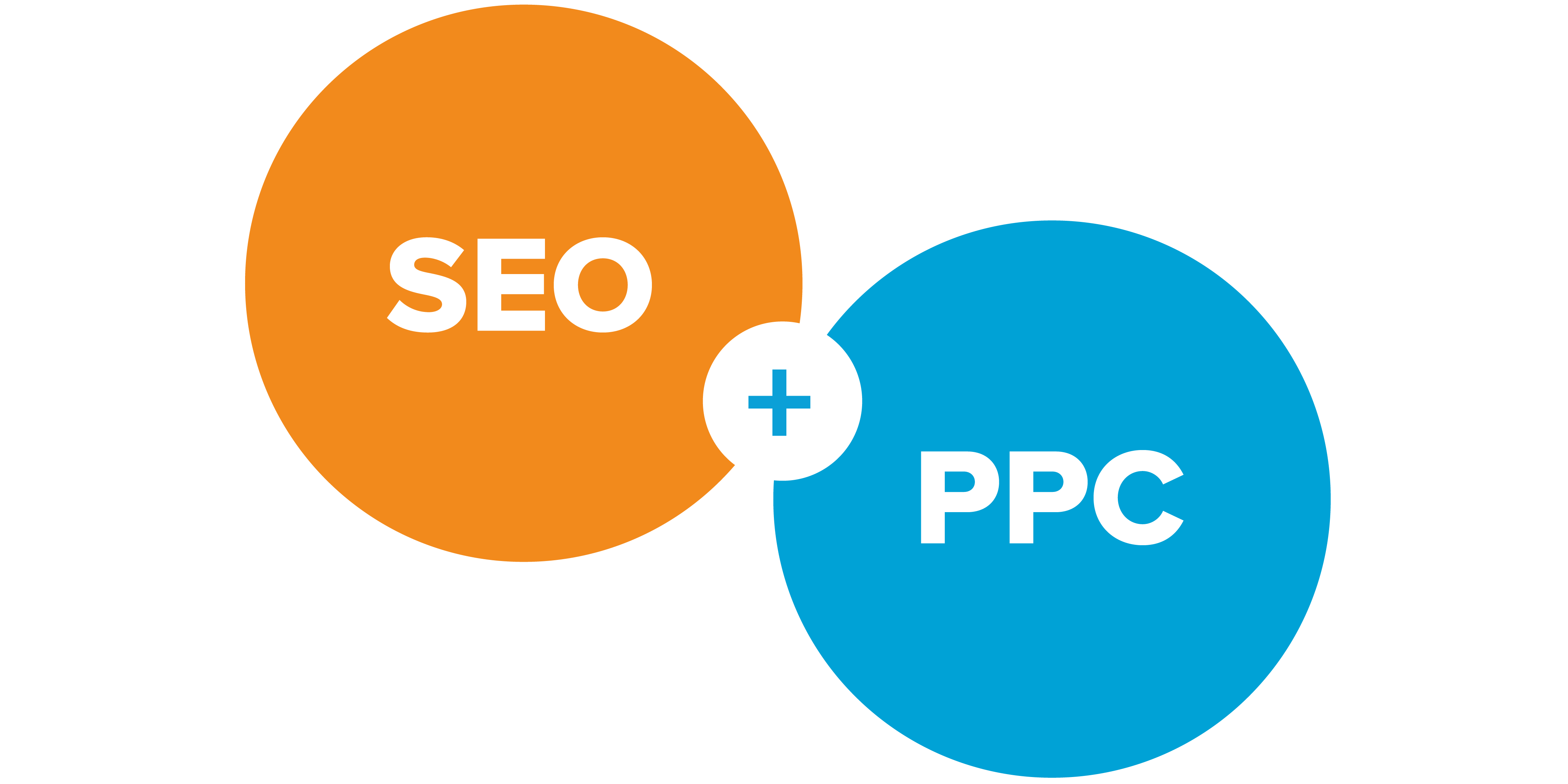
Search Engine Optimization (SEO) and Pay-Per-Click (PPC) advertising are two essential components of digital marketing strategies. Both approaches aim to drive traffic to websites, increase visibility in search engine results, and generate leads. However, they differ in terms of their implementation, cost structure, and long-term benefits. Understanding the differences and benefits of SEO and PPC can help businesses make informed decisions and optimize their online marketing efforts.
I. What is SEO?
Search Engine Optimization (SEO) is a set of strategies and techniques aimed at improving a website’s visibility and organic ranking in search engine results. It involves optimizing various on-page and off-page elements to make a website more search engine-friendly and relevant to user queries. SEO focuses on driving organic (non-paid) traffic to a website by targeting specific keywords and providing high-quality content that aligns with user intent.

II. What is PPC?
Pay-Per-Click (PPC) advertising, on the other hand, is a paid digital marketing model where advertisers pay a fee each time their ad is clicked. In PPC campaigns, businesses bid on specific keywords and create compelling ad copies to attract potential customers. PPC ads typically appear at the top of search engine results pages (SERPs) or on relevant websites within ad networks. The cost of PPC campaigns depends on the competitiveness of keywords, ad quality, and bidding strategy.
III. Differences between SEO and PPC:
- Cost: SEO is primarily an organic strategy and does not involve direct payments to search engines. However, it requires investments in content creation, website optimization, and ongoing monitoring. PPC, on the other hand, requires a budget as advertisers pay for each click on their ads.
- Visibility: SEO focuses on organic rankings, aiming to improve a website’s visibility in the natural search results. PPC provides immediate visibility at the top of search results pages or on relevant websites, but the visibility ends as soon as the budget is exhausted.
- Long-term vs. short-term results: SEO is a long-term strategy that requires consistent efforts to build authority, trust, and organic rankings. It may take time to see significant results, but the benefits can be long-lasting. PPC delivers immediate results, driving traffic and visibility as soon as the campaign is launched. However, the benefits cease once the budget is depleted.
- Click costs: SEO generates organic clicks without direct costs per click. In PPC, the cost per click depends on the bidding competition and the quality score of the ad, which affects the ad’s position on SERPs.
- Targeting options: SEO allows businesses to target specific keywords and optimize content to match user intent. PPC offers precise targeting options, including demographic targeting, geographic targeting, and ad scheduling, allowing businesses to reach specific audiences.

IV. Benefits of SEO and PPC:
1. SEO benefits:
- Cost-effective in the long term: Once a website gains organic rankings, the traffic generated does not require ongoing payments.
- Sustainable results: A well-optimized website can maintain organic rankings and visibility even with minimal ongoing optimization efforts.
- Builds brand credibility and trust: Higher organic rankings are often perceived as a sign of credibility and trustworthiness.
- Increases organic traffic: SEO efforts can lead to a steady increase in organic traffic over time.
- Enhances user experience: SEO involves improving website structure, navigation, and content, leading to a better user experience.
2. PPC benefits:
- Immediate visibility: PPC ads offer immediate visibility at the top of SERPs, ensuring instant exposure to potential customers.
- Control over ad messaging: Advertisers have full control over the content and messaging of their PPC ads.
- Precise targeting options: PPC campaigns allow businesses to target specific audiences based on demographics, locations, and other parameters.
- Measurable and trackable results: PPC platforms provide detailed performance metrics, allowing businesses to measure the success of their campaigns accurately.
- Flexibility and scalability: PPC campaigns can be easily adjusted, optimized, or scaled based on performance and business goals.
In conclusion, SEO and PPC are two distinct approaches to online marketing, each with its own advantages and considerations. SEO focuses on long-term organic visibility and sustainable results, while PPC provides immediate visibility and precise targeting options. Both strategies can be complementary and effective when integrated into a comprehensive digital marketing plan.
Key Point Summary:

- SEO (Search Engine Optimization) and PPC (Pay-Per-Click) advertising are two essential components of digital marketing strategies.
- SEO focuses on improving a website’s visibility and organic ranking in search engine results through on-page and off-page optimization.
- PPC is a paid advertising model where businesses pay for each click on their ads, providing immediate visibility at the top of search results pages or relevant websites.
- SEO is a long-term strategy that requires consistent efforts to build authority, trust, and organic rankings, while PPC delivers immediate results but ceases once the budget is depleted.
- SEO generates organic clicks without direct costs per click, while PPC requires a budget as advertisers pay for each click on their ads.
- SEO builds sustainable results, enhances brand credibility and trust, increases organic traffic, and improves user experience.
- PPC offers immediate visibility, control over ad messaging, precise targeting options, measurable and trackable results, and flexibility in campaign adjustments.
- The choice between SEO and PPC depends on factors such as budget, timeline, marketing objectives, and target audience.
- Integrating SEO and PPC in a comprehensive digital marketing plan can maximize the overall impact and effectiveness of online marketing efforts.
Call our Vietnam team today to discuss how we can help you optimize your SEO strategy, create impactful PPC campaigns, and achieve your digital marketing goals.