Overview of Local SEO and Implementation

In today’s digital age, local SEO has become a critical strategy for businesses to improve their online visibility and attract local customers. With the majority of consumers using search engines to find local businesses, optimizing your website for local search results is essential. In this article, we will provide an overview of local SEO and explore the key steps involved in implementing an effective local SEO strategy.
I. Understanding Local SEO
Local SEO plays a critical role in helping businesses attract customers within their specific geographic area. It involves optimizing your website and online presence to improve visibility in local search results. By focusing on local SEO strategies, businesses can increase their chances of connecting with relevant local customers who are actively searching for products or services in their area.

II. Key Factors in Local SEO
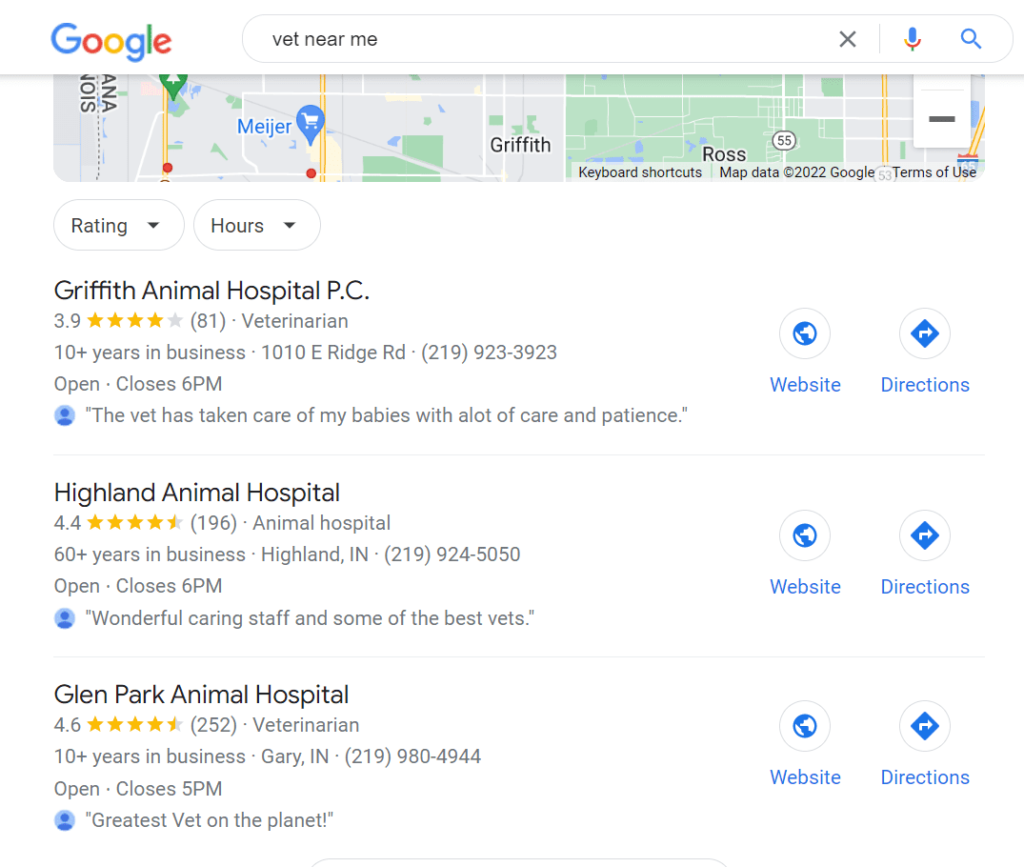
a. Google My Business: Creating and optimizing your Google My Business profile is a foundational step in local SEO. It allows you to provide important business information, such as your address, phone number, and hours of operation, which will be displayed in Google’s local search results. It also enables customers to leave reviews and ratings, further enhancing your local credibility.
b. Local Keyword Research: Conducting keyword research with a local focus is essential for effective local SEO. Identify keywords that are relevant to your business and incorporate them naturally into your website content. This includes optimizing page titles, meta descriptions, headings, and body text to reflect your local keywords.
c. NAP Consistency: Consistency in your business’s Name, Address, and Phone number (NAP) across all online platforms is crucial for local SEO. Inaccurate or inconsistent NAP information can confuse search engines and potential customers, negatively impacting your local search rankings. Ensure that your NAP details are accurate and up to date on your website, Google My Business, online directories, and other platforms.
d. Online Reviews: Online reviews are a significant factor in local SEO. Encourage your customers to leave reviews on platforms such as Google, Yelp, and Facebook. Positive reviews not only boost your search visibility but also build trust and credibility with potential customers. Responding to reviews, whether positive or negative, demonstrates your commitment to customer satisfaction.
III. Optimizing Website for Local SEO
a. Localized Content: Creating location-specific content is crucial for local SEO. Develop blog posts, landing pages, and other types of content that highlight your products or services in relation to your local area. This allows you to target keywords and phrases that are specific to your geographic location, attracting local customers to your website.
b. Local Citations and Directories: Ensuring consistent and accurate information across online directories and local citation sites is essential for local SEO. List your business on relevant directories and citation sites, such as Yelp, Yellow Pages, and industry-specific directories. Consistent NAP information across these platforms helps search engines verify the legitimacy and relevance of your business.
c. Mobile Optimization: With the increasing prevalence of mobile devices in local searches, optimizing your website for mobile is vital. Ensure that your website is mobile-friendly, loads quickly, and provides a seamless user experience on various devices. Mobile optimization contributes to a positive user experience, which is a key factor in local SEO.
d. Schema Markup: Implementing schema markup on your website can enhance your local SEO efforts. Schema markup is a structured data format that helps search engines understand the content on your website better. It enables search engines to display relevant information, such as business hours, contact information, customer reviews, and more, directly in the search results, improving your visibility and providing users with valuable information.
IV. Monitoring and Measuring Success
Monitoring and measuring the success of your local SEO efforts is essential for continuous improvement. Utilize tools such as Google Analytics and Google Search Console to track important metrics, including website traffic, keyword rankings, and user behavior. Analyze the data to gain insights into the effectiveness of your local SEO strategy and make informed decisions for further optimization. Regularly review and adjust your local SEO tactics based on data and analytics to maximize your results.
In conclusion, local SEO is a crucial component of a comprehensive digital marketing strategy for businesses targeting local customers. By implementing effective local SEO techniques such as optimizing your Google My Business profile, conducting local keyword research, maintaining NAP consistency, and actively managing online reviews, you can improve your visibility in local search results and attract more local customers. Remember to create localized content, list your business on relevant directories, optimize for mobile, and implement schema markup for enhanced search visibility.
Key Point Summary:

- Local SEO involves optimizing your website and online presence to attract local customers.
- Key factors in local SEO include optimizing your Google My Business profile, conducting local keyword research, ensuring NAP consistency, and actively managing online reviews.
- Optimizing your website for local SEO includes creating localized content, listing your business on relevant directories, optimizing for mobile, and implementing schema markup.
- Regular monitoring and measurement of your local SEO efforts using tools like Google Analytics and Google Search Console is essential.
- Implementing a successful local SEO strategy can improve your visibility in local search results and attract more local customers.
Contact our Vietnam team today to learn more about how we can help you implement a successful local SEO strategy for your business.