How To Choose Appropriate Keywords For Your SEO Campaign

Keywords play a crucial role in search engine optimization (SEO) campaigns. They are the words and phrases that users enter into search engines when looking for information, products, or services. Choosing the right keywords is essential for improving your website’s visibility in search results and attracting targeted organic traffic. In this article, we will discuss the importance of selecting appropriate keywords for your SEO campaign and provide practical tips on how to choose the best keywords for your website.
I. Understand Your Target Audience:
To choose appropriate keywords, it is crucial to have a deep understanding of your target audience. Consider their demographics, interests, and search behavior. Put yourself in their shoes and think about what keywords they would use to find your products or services. Conduct thorough market research, analyze customer data, and gather customer feedback to gain valuable insights into their preferences and search patterns. This understanding will help you identify keywords that are relevant to your audience and align with their needs and expectations.

II. Conduct Comprehensive Keyword Research:
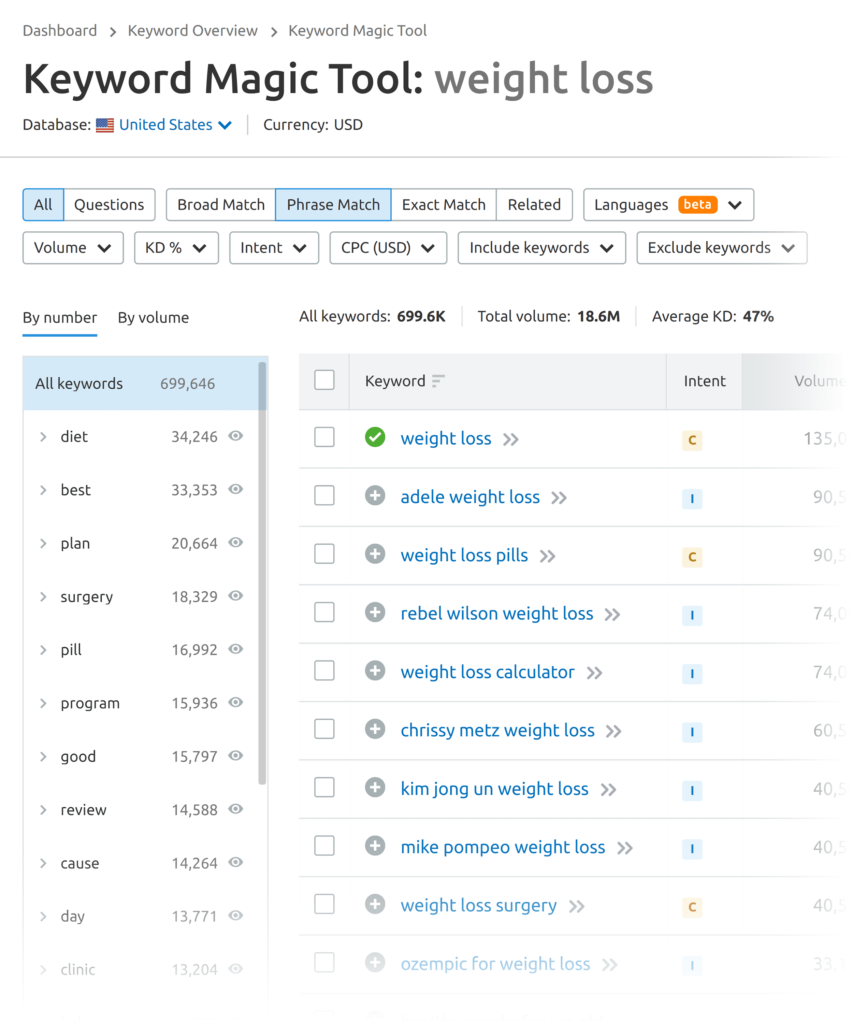
Keyword research is a critical step in the SEO process. It involves identifying and analyzing keywords that have high search volume and relevance to your business. Utilize keyword research tools such as Google Keyword Planner, SEMrush, and Ahrefs to gather data on search volume, keyword difficulty, and related keywords. These tools provide valuable insights that can guide you in selecting the most effective keywords for your SEO strategy. Look for keywords that have a good balance between search volume and competition, as this will increase your chances of ranking well in search engine results.
III. Consider Long-Tail Keywords:
In addition to targeting broader keywords, it is essential to consider long-tail keywords in your SEO strategy. Long-tail keywords are more specific and longer phrases that target a narrower audience. While they may have lower search volume compared to broader keywords, they often have higher conversion rates because they attract users who are closer to making a purchase decision. For example, instead of targeting the keyword “shoes,” you can optimize for “women’s running shoes for flat feet.” Long-tail keywords can help you reach your target audience more effectively and increase the likelihood of conversion.
IV. Analyze Competitor Keywords:
Analyzing competitor keywords can provide valuable insights into their SEO strategies and help you discover new keyword opportunities. Identify your top competitors and use SEO tools to analyze the keywords they are ranking for. Look for keywords that are relevant to your business and have good search volume. However, avoid targeting highly competitive keywords that are beyond your current SEO capabilities. Instead, focus on finding untapped keywords that your competitors may have overlooked. This will give you a competitive edge and increase your chances of ranking higher in search results.
V. Use a Mix of Broad and Specific Keywords:
A well-rounded SEO campaign includes a mix of broad and specific keywords. Broad keywords, such as “digital marketing,” have higher search volume but also higher competition. Specific keywords, on the other hand, target a more niche audience but may have lower search volume. By incorporating both types of keywords in your content and optimization efforts, you can capture a wider range of users and increase the chances of ranking well in search results. Strike a balance between broad and specific keywords that align with your target audience’s search intent and your business goals.
In conclusion, choosing appropriate keywords is a crucial aspect of a successful SEO campaign. By understanding your target audience, conducting thorough keyword research, considering long-tail keywords, analyzing competitor keywords, and using a mix of broad and specific keywords, you can optimize your website’s visibility in search results and attract relevant organic traffic. Remember to regularly review and update your keyword strategy as search trends and user behavior evolve.
Key Points Summary:

I. Understand your target audience to identify relevant keywords.
II. Conduct keyword research using tools like Google Keyword Planner, SEMrush, or Ahrefs.
III. Consider long-tail keywords for more specific targeting and higher conversion rates.
IV. Analyze competitor keywords for insights and new opportunities.
V. Use a mix of broad and specific keywords to capture a wider audience.
Contact our Vietnam team today for expert guidance and support in choosing the right keywords for your SEO campaign. Our experienced professionals will help you develop a comprehensive keyword strategy that aligns with your business goals and drives measurable results.